01One Size Does Not Fit All
The honest answer to "how much exercise does my dog need?" is: it depends, and the gap between a Chihuahua and a Siberian Husky is enormous. A rough working rule for healthy adult dogs is somewhere between 30 minutes and 2 hours of purposeful activity per day — but within that range, breed, age, weight and individual temperament all pull hard in different directions.
High-drive working and sporting breeds — Border Collies, Vizslas, Belgian Malinois, Weimaraners — were shaped over generations for all-day effort. Thirty minutes will barely take the edge off. Brachycephalic breeds like Bulldogs and Pugs, on the other hand, overheat quickly and genuinely cannot sustain what a longer-legged dog handles easily; short, frequent outings in cooler parts of the day suit them far better. Most medium mixed-breed dogs fall comfortably in the middle: an hour of varied activity, split across the day, keeps them settled and healthy.
Age reshapes the equation at both ends. Puppies tire fast but need their energy spent — short bursts of play several times a day, rather than one long slog that can stress developing joints. Seniors slow down, but gentle daily movement keeps weight in check, maintains muscle and supports joint health. The aim shifts from burning energy to keeping them mobile and engaged. If your older dog is stiffening up or slowing down noticeably, caring for a senior pet has more on adjusting their routine without overdoing it.
02What Good Exercise Actually Looks Like
A walk to the lamp-post and back is not exercise — it's a toilet trip. Genuine exercise raises your dog's heart rate, works their muscles and, crucially, engages their brain. Mix these up and you'll notice a calmer, more settled dog at home.
Interval walks. A brisk 20-minute walk beats a slow 40-minute shuffle. If you can mix a few minutes of jogging into the middle, or let your dog sprint between two points while you walk, you get the metabolic benefit of varied effort. Multiple shorter outings across the day — morning, midday, evening — work better than one long outing for most dogs, and the variety keeps them keyed in to you.
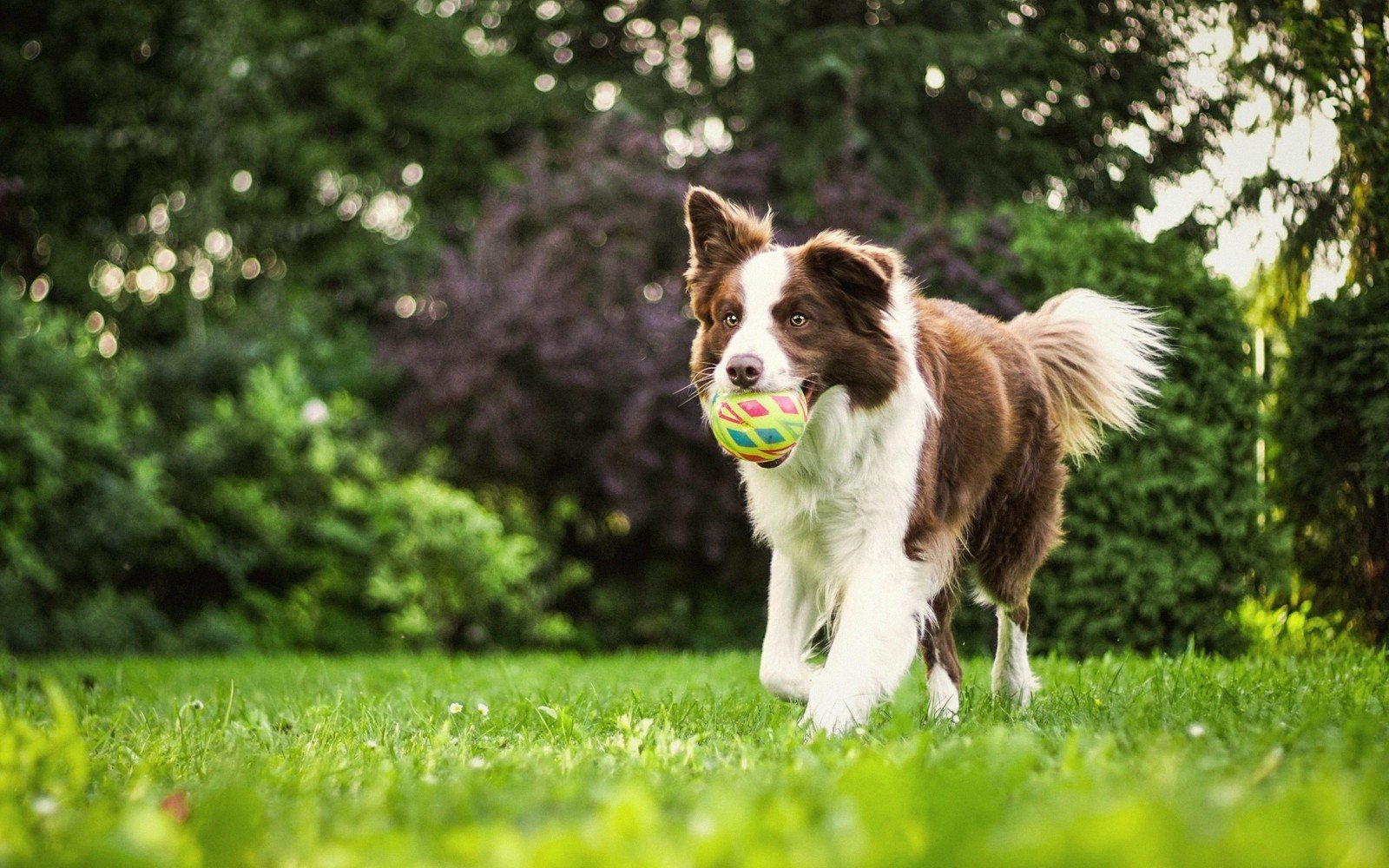
Fetch and retrieval games. These are efficient: your dog covers five times the ground you do. More importantly, the anticipation and decision-making involved are genuine mental work. Keep sessions crisp — stop before they're panting hard and flagging — and skip the food reward mid-game; the retrieve itself is the prize.
Stair work and hills. If you live somewhere with stairs or a park with a decent slope, use them. Uphill effort engages different muscle groups and burns more energy in less time. Two or three reps of a long staircase is a meaningful workout for a dog that would otherwise need 20 extra minutes on flat ground.
Brain work counts. A dog that's mentally tired is as settled as a physically tired one. Training sessions, sniff-heavy walks where you let them follow their nose, and puzzle feeders all count toward the daily total. Physical and mental exercise aren't two separate tasks; weave them together.
03Signs You've Got the Balance Right
A well-exercised dog settles easily at home, isn't destructive out of boredom, maintains a healthy weight and sleeps soundly. You should be able to feel (not see) their ribs without pressing — a waistline visible from above is a good sign; you shouldn't have to hunt for it. Vets estimate that a significant proportion of pet dogs are overweight, with corresponding increases in risk for joint problems, heart disease and diabetes — so the stakes of getting this right are real.
Equally, watch for the opposite. Excessive panting, lagging behind on walks, reluctance to rise after rest, or limping afterward are all signals to ease off and, if they persist, see your vet. More is not always better; consistency is what builds a fit, happy dog.