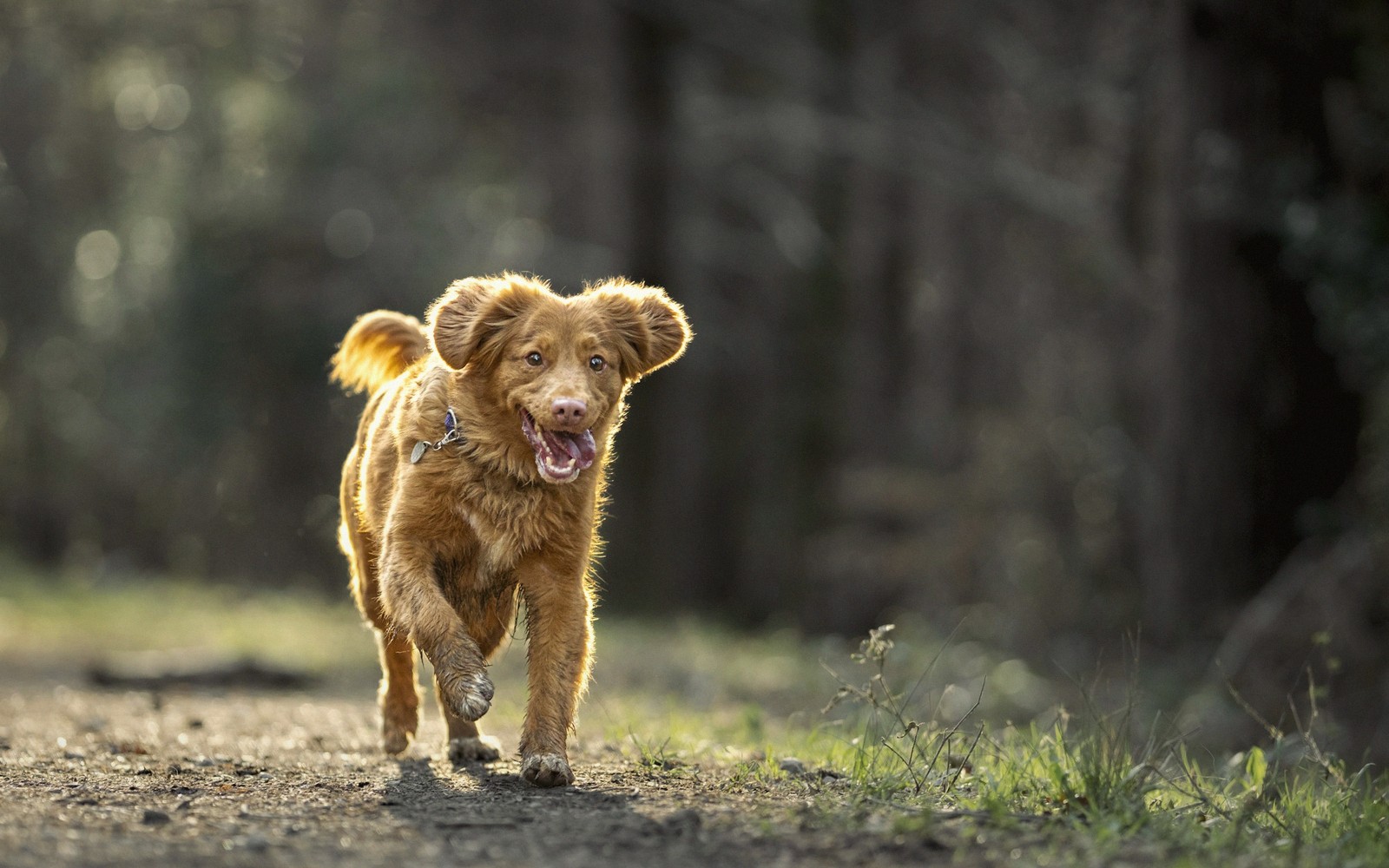
01Know Your Pet, Spot the Changes
The single most useful thing you can do for an animal's health costs nothing: pay attention. Learn what normal looks like for your individual pet — how they move, how enthusiastically they eat, how they hold their ears, what their coat feels like under your hand. That baseline is your early-warning system. A dog who suddenly goes off her food, a cat who's drinking more than usual, a limp that wasn't there yesterday — none of these require a diagnosis from you. They just require that you noticed, and that you called the vet.
Healthy pets also need regular professional check-ups, not just visits when something goes wrong. Most vets recommend an annual wellness exam for adult dogs and cats; seniors or pets with ongoing conditions often benefit from twice-yearly visits. These appointments catch things that aren't yet visible to an untrained eye — dental disease, early organ changes, weight creep — and they keep vaccinations and parasite prevention current. Think of it as maintenance, not crisis management.
Between vet visits, a quick hands-on check at home takes about ten minutes and is genuinely worth doing. Run your hands along your pet's body and feel for lumps, sore spots or changes in coat texture. Look inside the mouth for red gums or broken teeth. Check the ears for unusual smell or dark discharge. A simple weekly routine like this can catch small things before they become expensive ones.
02Feed Them Well — and Stop There
Diet is where owners do the most good, and the most unintentional harm. Choose a complete, balanced food appropriate to your pet's species, age and size — the label matters more than the packaging, and "complete and balanced" is a regulated claim that means something. Beyond that, portion control is the single most under-used health tool most owners have. Overweight dogs and cats face higher risks of joint problems, diabetes and shortened lifespan, and it happens gradually — a few extra treats a day, a bowl topped up a little generously — until suddenly the vet is using the word "obese."
Feed to your pet's ideal body weight, not to their enthusiasm. You should be able to feel (not see) the ribs easily, with a light covering of fat. If you're unsure how much to feed, ask your vet — breed, activity level and whether they're neutered all affect the calculation.
A few specific foods are genuinely dangerous and worth knowing by heart: chocolate, onions, garlic, grapes and raisins are toxic to dogs; xylitol (a sweetener found in some peanut butters and chewing gum) is particularly dangerous. Cats are obligate carnivores with their own set of sensitivities. When in doubt, keep human food off the menu entirely.
03Safe Space, Tidy Home
A fit pet also needs a safe environment. Batteries, medications, automotive fluids, pesticides and many common cleaning products can all cause serious poisoning if a curious animal gets into them — and they're very good at getting into things. Store hazardous items behind closed doors or in latched cupboards; don't assume a high shelf is out of reach for a cat.
Gardens and houseplants deserve the same scrutiny. More than seven hundred plant species are known to be toxic to pets — a list that includes some very common ones: lilies (acutely dangerous to cats), azaleas, foxglove and sago palm among them. Checking your home before a new pet arrives is time well spent.
04Don't Neglect the Emotional Side
Physical health and emotional wellbeing aren't separate. Chronic stress in pets — from isolation, boredom, fear or conflict with other animals — shows up as real symptoms: repetitive behaviours, changes in appetite, house-soiling, aggression. Dogs need exercise, company and mental stimulation every single day. Cats need space to hide, to climb, to stalk, and to feel genuinely secure. Meeting those needs isn't indulgence; it's prevention.
A pet who feels safe and engaged, eats well, sees the vet regularly and lives in a home that's been thought through from their point of view — that's a pet set up to thrive. None of it is complicated. Most of it is just paying attention.